
Posted on November 20, 2023 by Sally-Anne Turner
Menopause is a natural transition in a woman’s life, usually between the ages of 45 and 55, when her ovaries run out of egg cells and production of oestrogen and other hormones declines. The average age for a woman to reach menopause in the UK is 51, although around 5% of women naturally go through early menopause. Early and premature menopause can also be brought on by other extenuating circumstances including certain medical conditions and treatments.
Premature menopause, also known as premature ovarian failure or premature ovarian insufficiency, occurs when a woman completes menopause before the age of 40. Early menopause, as the name suggests, happens earlier than usual, between the ages of 40 and 45. Perimenopause begins around 8 to 10 years before the menopause, most commonly in the mid-40s and full menopause is reached when a woman has gone 12 months without a menstrual period and is no longer able to get pregnant naturally.
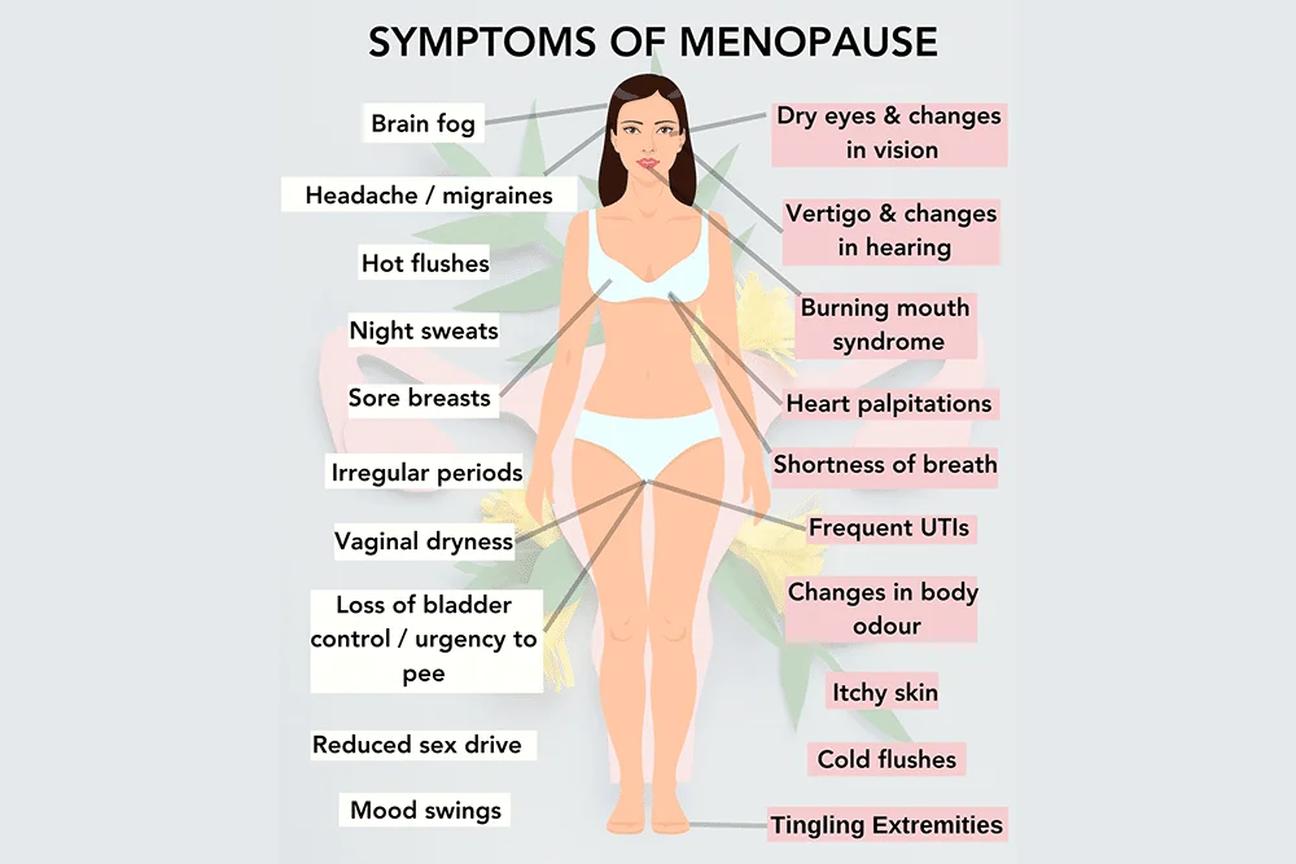
There are 48 symptoms of menopause, including early and premature menopause, according to Gen-M, with widely recognised associated symptoms including irregular periods, spotting between periods, hot flushes, fatigue, night sweats, sleep disruption, reduced sex drive, vaginal dryness, sore or tender breasts, loss of bladder control, headaches and migraines, weight gain and bloating, along with mental health symptoms such as brain fog, anxiety, depression, loss of confidence, reduced concentration, mood swings and lack of motivation.
Oestrogen levels impact our central nervous system, so when those levels start to decline with menopause, nerves are impacted, collagen production affected and skin may become thinner and more prone to dryness and itching. This can affect the whole body including the genitals, is particularly apparent at night and presents in a variety of ways from mild tingling feelings to burning, numbness, sensitivity, cold, crawling and pins and needles.
Hot flushes have become synonymous with menopause, but did you know cold flushes are also a thing? Just like hot flushes, they can appear out of nowhere, lasting for several minutes or just a few seconds. Both hot and cold flushes are thought to be related to the area of the brain that controls temperature being affected by fluctuating oestrogen levels.
Declining oestrogen levels can lead to the mucus membranes in the inner drying out, which can in turn lead to tinnitus, or ringing in the ears, blocked ears, hot or itchy ears, ear-ache and partial loss of hearing. Inner ear changes can also affect balance, bringing on vertigo or bouts of dizziness.
Falling hormone levels can have a direct impact on oral health and lead to unpleasant sensations on the tongue, lips, gums, cheeks and roof of mouth. It can feel like eating a raw chilli or burning your mouth on a hot drink. Some women experience a metallic taste, very dry mouth and bad breath.
Many people associate BO with their teen years, but this whiffy problem can come back with a vengeance during the menopause, particularly under the arms and ‘down below’. Decreasing levels of oestrogen can confuse the temperature-regulating part of the brain in to producing more sweat, with other symptoms like hot flushes, night sweats and stress serving to exacerbate the situation.
Fluctuating oestrogen and progesterone levels can affect the cardiovascular system during menopause causing an irregular heartbeat. This can include feeling like your heart is racing, fluttering sensations in the chest, a pounding heart and feeling like your heart is pumping out some random extra beats or even skipping a few.
Breathing difficulties are perhaps less common than other symptoms and can crop up in different forms – some women experience tightness in the chest, wheezing, shortness of breath or reduced tolerance to exercise. This could be due to menopausal anxiety, falling oestrogen levels interfering with lung function or a pre-existing lung function being affected.
Recurrent urinary tract infections, including cystitis, can occur as a result of hormonal changes thinning the lining of the urethra and making it more vulnerable to infection. Bacterial vaginosis due to hormonal changes can cause a burning sensation when peeing.
Another less common symptom is tingling or pins and needles in the extremities caused by
hormonal fluctuations affecting the central nervous system. Also known as paraesthesia, the sensation is caused by reduced blood circulation to nerve endings in the hands and feet.
Decreasing oestrogen levels can adversely affect conjunctival and corneal cells leading to the feeling of dry, gritty, stinging or itchy eyes. This symptom affects around 10% of menopausal women, leading to a blurriness of vision and making it difficult to drive, read and work at a computer.
Women who go through premature or early menopause may have increased risk of cardiovascular disease, osteoporosis, dementia, depression and more severe menopause symptoms.