
Posted on June 13, 2025 by Sally-Anne Turner
Many women entering their 40s and 50s begin to experience changes that can feel confusing, frustrating—and at times, overwhelming. Hot flushes, mood swings, low energy, sleep disruption, and unexpected weight gain are just a few of the symptoms associated with menopause and perimenopause.
But how do you know for sure if you're going through "the change"? And how can you feel confident that your treatment plan is right for your body?
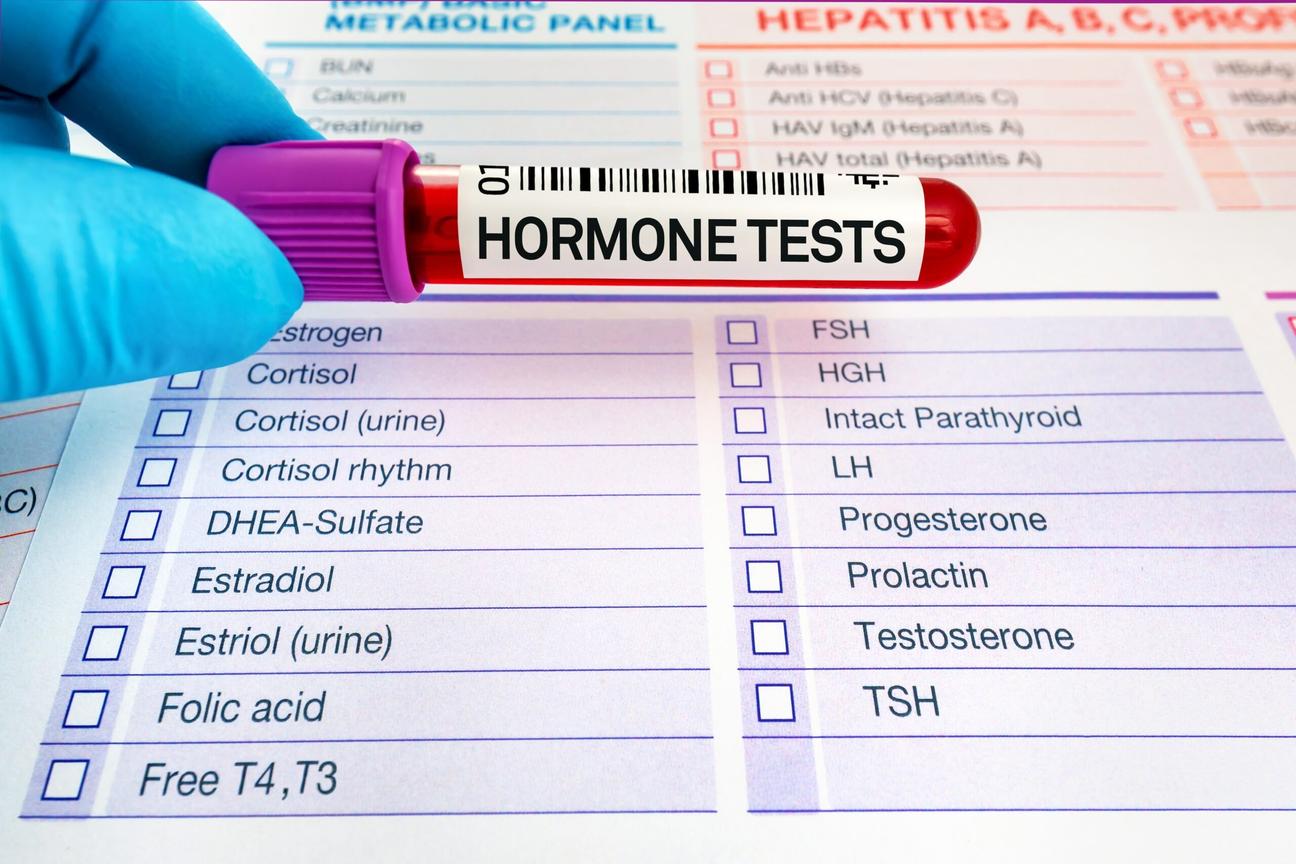
That’s where blood testing comes in. While it's not always offered as standard in NHS menopause care, private menopause clinics like Bodyline have found that blood testing can play a vital role in understanding hormonal changes and tailoring treatment more effectively.
If you're over 45, the NHS usually diagnoses menopause based on your age, menstrual changes, and common symptoms like:
Because these symptoms are considered classic signs of menopause, blood testing is typically skipped—especially in NHS settings where guidelines (like those from NICE) recommend clinical judgement over lab testing.
However, this can lead to a one-size-fits-all approach to HRT and menopause treatment and support, leaving many women with unanswered questions and treatment that doesn’t feel quite right.
Even if you’re showing typical signs of menopause, blood tests can still offer valuable insights—particularly in complex cases, or when symptoms overlap with other health conditions like thyroid disorders, PCOS, or chronic fatigue.
Together, these results help build a clearer picture of what’s going on inside your body, especially when symptoms don’t tell the full story.
Women Under 45
If you’re younger than 45 and experiencing menopause-like symptoms, blood testing is often essential to confirm the diagnosis and rule out other causes.
| Age Group | Why Test? | Key Hormones to Check |
| 40–45 | Irregular periods with symptoms | FSH |
| Under 40 | Suspected premature ovarian insufficiency (POI) | FSH (twice, 4–6 weeks apart) |
| Any age with mixed symptoms | To rule out other conditions | TSH, testosterone, DHEA-S, prolactin, etc. |
Even if you're already taking HRT, blood tests can still be useful in many cases. While oestrogen and progesterone levels might be altered by treatment, testing can:
NHS care often lacks baseline hormone testing, partly due to budget constraints and partly because of outdated guidelines. This can lead to:
In contrast, private clinics like Bodyline take a data-led, personalised approach that prioritises the individual—not just the average.
Our patients often tell us that having blood test results in hand helps them feel more informed, more in control, and more confident in their treatment journey. Bodyline has life changing success stories of patients that are supported and treated on a personalised basis.
Yes—and no. While hormones aren’t the only reason women gain weight during perimenopause and menopause, they play a huge role.
Fluctuating oestrogen and progesterone levels affect:
By testing your hormone levels, vitamin deficiencies, and even insulin resistance, we can better understand what’s holding you back from weight loss—and create a treatment plan that works with your body, not against it.
Explore menopause and weight gain solutions with Bodyline.
Your Hormones, Your Health, Your Way
Whether you are in early perimenopause or dealing with long-term symptoms post-menopause, blood testing can help validate your experiences and unlock more effective treatment.
At Bodyline, our CQC-registered clinics and nurse-led teams provide safe, supportive, and expert menopause care and treatment. And if you're looking for even more structure, you can opt into The M Plan, our signature personalised menopause support programme.
Start your journey today with a hormone blood test and consultation at Bodyline either in clinic or via an online consultation in the comfort of your own home. Call 0800 995 6036 or complete an online enquiry form for a call back.
Bodyline works. Bodyline cares.